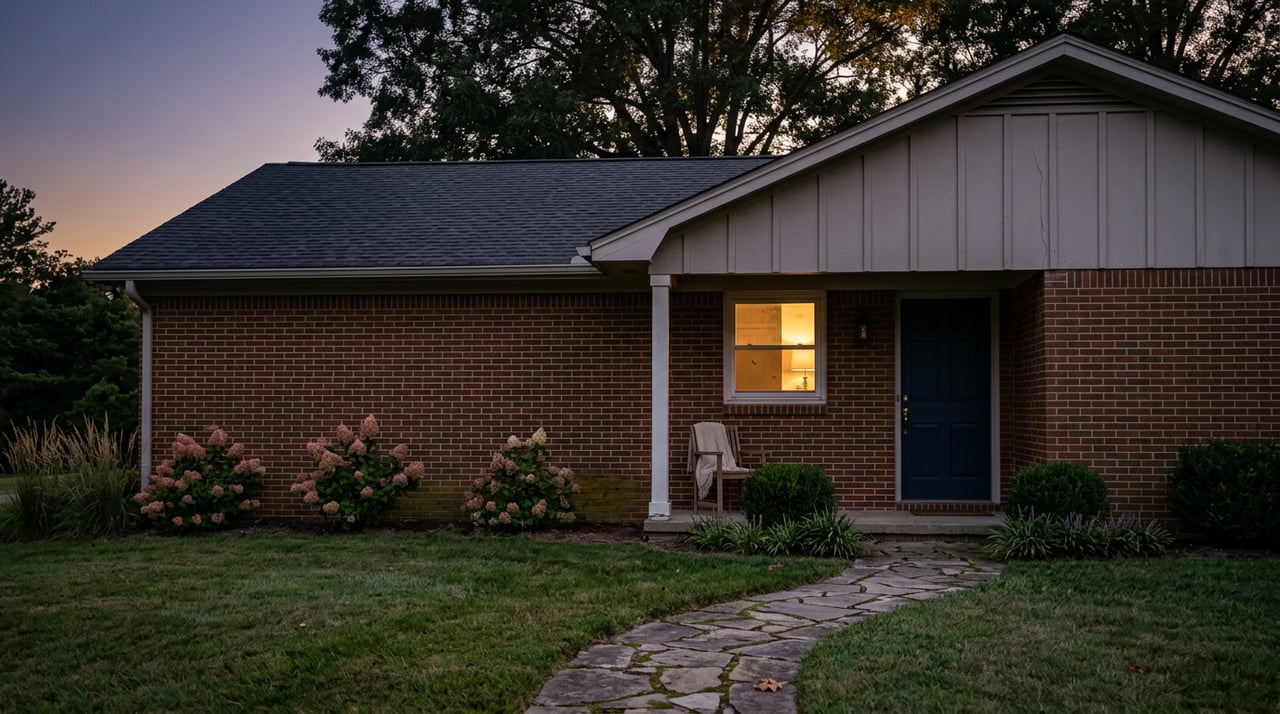
When buying a home, there are many decisions to make—choosing the right neighborhood, securing financing, and deciding which protections to invest in. One common question that arises during the process is whether you should get a home warranty. While homeowners insurance protects against unexpected disasters like fire or theft, a home warranty covers the repair or replacement of major systems and appliances that break down from normal wear and tear.
For many homeowners, a home warranty provides peace of mind and financial protection. For others, it may be an unnecessary expense depending on the age and condition of the home. Understanding how home warranties work and what they cover can help you make the best decision for your situation.
Here’s a detailed look at what you need to know before deciding whether a home warranty is right for you.
What Is a Home Warranty?
A home warranty is a service contract that covers the repair or replacement of certain home systems and appliances when they malfunction due to everyday use. Unlike homeowners insurance—which covers damage caused by external events like storms or accidents—a home warranty focuses on issues caused by normal wear and tear.
Home warranties are typically purchased for one year at a time and can be renewed annually. When a covered item breaks, you simply file a claim with your warranty provider. The company then sends a qualified technician to assess the problem and either repair or replace the item, depending on the situation and your policy’s terms.
Home warranties are typically purchased for one year at a time and can be renewed annually. When a covered item breaks, you simply file a claim with your warranty provider. The company then sends a qualified technician to assess the problem and either repair or replace the item, depending on the situation and your policy’s terms.
What Does a Home Warranty Cover?
Coverage varies by provider and plan, but most home warranties include two main categories: systems and appliances.
Commonly Covered Home Systems:
Commonly Covered Home Systems:
- Heating, ventilation, and air conditioning (HVAC)
- Plumbing systems, including water heaters
- Electrical systems and wiring
- Ductwork
- Some coverage for ceiling fans or built-in exhaust fans
Commonly Covered Appliances:
- Refrigerators
- Ovens and ranges
- Dishwashers
- Built-in microwaves
- Washers and dryers
- Garbage disposals
- Garage door openers
Some plans allow you to customize your coverage or add optional items like pools, spas, or septic systems. However, it’s important to read the fine print. Every plan has limits, exclusions, and service fees that can affect your total out-of-pocket cost.
How a Home Warranty Works
If a covered item stops working, the process to use your home warranty is straightforward:
- File a Claim: Contact your warranty company online or by phone to report the issue.
- Technician Visit: The company assigns a local service technician to diagnose the problem.
- Repair or Replacement: If the issue is covered, the technician will repair or replace the item, subject to your contract terms.
- Service Fee: You’ll pay a service call fee, similar to a deductible, which typically ranges from $75 to $150 per visit.
This process helps homeowners avoid the hassle of finding a trusted repair professional on their own and shields them from the full cost of unexpected breakdowns.
The Benefits of Having a Home Warranty
For many homeowners—especially those with older properties—a home warranty offers valuable financial protection and peace of mind.
1. Predictable Costs: Home repairs can be expensive, and a single malfunctioning system can cost thousands to fix. With a home warranty, you pay a fixed annual premium and a small service fee, which can help you budget more effectively and avoid large, surprise expenses.
2. Convenience: When something breaks, your warranty company handles finding and dispatching a qualified service technician. This saves time and reduces stress, especially for new homeowners unfamiliar with local repair companies.
3. Peace of Mind for Buyers and Sellers: For homebuyers, a warranty can ease concerns about potential post-purchase repairs, particularly if the home has aging systems or appliances. Sellers also benefit from offering a warranty, as it can make their property more attractive to buyers and provide protection during the listing period.
4. Added Value in Older Homes: If your home is more than ten years old, a warranty can be a smart investment. Older systems are more likely to fail, and replacement costs can add up quickly. A warranty helps ensure that you won’t be caught off guard financially when repairs are needed.
1. Predictable Costs: Home repairs can be expensive, and a single malfunctioning system can cost thousands to fix. With a home warranty, you pay a fixed annual premium and a small service fee, which can help you budget more effectively and avoid large, surprise expenses.
2. Convenience: When something breaks, your warranty company handles finding and dispatching a qualified service technician. This saves time and reduces stress, especially for new homeowners unfamiliar with local repair companies.
3. Peace of Mind for Buyers and Sellers: For homebuyers, a warranty can ease concerns about potential post-purchase repairs, particularly if the home has aging systems or appliances. Sellers also benefit from offering a warranty, as it can make their property more attractive to buyers and provide protection during the listing period.
4. Added Value in Older Homes: If your home is more than ten years old, a warranty can be a smart investment. Older systems are more likely to fail, and replacement costs can add up quickly. A warranty helps ensure that you won’t be caught off guard financially when repairs are needed.
When a Home Warranty Might Not Be Necessary
While home warranties can be valuable, they’re not always the best fit for everyone. If you own a newer home with recently installed systems and appliances still under manufacturer warranties, a separate home warranty may not provide much additional benefit.
Additionally, if you’re a homeowner who prefers to handle repairs independently—or have reliable contractors on hand—you might find it more cost-effective to set aside funds for maintenance instead of paying an annual premium.
It’s also worth noting that warranties don’t cover everything. Pre-existing conditions, cosmetic issues, and improper installations are usually excluded. Always review the terms carefully to understand what’s included and what’s not.
Additionally, if you’re a homeowner who prefers to handle repairs independently—or have reliable contractors on hand—you might find it more cost-effective to set aside funds for maintenance instead of paying an annual premium.
It’s also worth noting that warranties don’t cover everything. Pre-existing conditions, cosmetic issues, and improper installations are usually excluded. Always review the terms carefully to understand what’s included and what’s not.
How Much Does a Home Warranty Cost?
The cost of a home warranty depends on the size of your home, the level of coverage, and any optional add-ons. On average, annual premiums range from $400 to $800, with service fees between $75 and $150 per claim.
Comprehensive plans that cover both systems and appliances typically cost more than single-category plans. Optional coverage for pools, guest houses, or high-end appliances can also increase the price.
When evaluating a warranty provider, consider not just the cost but also the reputation of the company, the quality of its service network, and the clarity of its contract terms.
Comprehensive plans that cover both systems and appliances typically cost more than single-category plans. Optional coverage for pools, guest houses, or high-end appliances can also increase the price.
When evaluating a warranty provider, consider not just the cost but also the reputation of the company, the quality of its service network, and the clarity of its contract terms.
Home Warranties for Buyers and Sellers
Home warranties can play a unique role for both buyers and sellers in a real estate transaction.
For Buyers:
Purchasing a home warranty at closing provides reassurance that if something goes wrong shortly after moving in, you’ll be covered. It can help smooth the transition into homeownership and protect your budget during the first year in your new home.
For Sellers:
Offering a home warranty can make your property more attractive to potential buyers. It signals confidence in the home’s condition and provides buyers with peace of mind, potentially speeding up the sale. In some cases, sellers even use warranties to cover repairs that arise during the listing period.
For Buyers:
Purchasing a home warranty at closing provides reassurance that if something goes wrong shortly after moving in, you’ll be covered. It can help smooth the transition into homeownership and protect your budget during the first year in your new home.
For Sellers:
Offering a home warranty can make your property more attractive to potential buyers. It signals confidence in the home’s condition and provides buyers with peace of mind, potentially speeding up the sale. In some cases, sellers even use warranties to cover repairs that arise during the listing period.
Choosing the Right Home Warranty Provider
Not all warranty companies are created equal. When shopping for a provider, look for one with:
- Transparent Coverage Terms: Avoid companies with vague language or hidden exclusions.
- Strong Customer Reviews: Read reviews to gauge how responsive and reliable they are when handling claims.
- Wide Service Network: A large network ensures faster response times and access to qualified professionals.
- Customizable Plans: The ability to choose coverage options allows you to tailor protection to your specific needs.
Ask questions before signing a contract, and don’t hesitate to compare multiple quotes to find the best value.
How a Home Warranty Complements Homeowners Insurance
It’s important to understand that a home warranty and homeowners insurance serve different purposes but complement each other well. Insurance covers major damage caused by events like fire, storms, or theft, while a home warranty covers internal system failures and appliance breakdowns. Together, they provide a comprehensive safety net for your home and your finances.
The Bottom Line: Is a Home Warranty Worth It?
Whether or not you need a home warranty depends on your home’s age, condition, and your comfort level with unexpected repairs. For many homeowners, the peace of mind alone makes it worthwhile—especially in the first year of owning a home.
A home warranty isn’t a one-size-fits-all solution, but it can be an excellent safeguard against costly surprises. Evaluating your home’s unique circumstances will help you make the right decision.
A home warranty isn’t a one-size-fits-all solution, but it can be an excellent safeguard against costly surprises. Evaluating your home’s unique circumstances will help you make the right decision.
Work with Bradley Real Estate for Expert Guidance
At Bradley Real Estate, the team understands that buying or selling a home involves many moving parts—and they’re here to guide you every step of the way. Whether you’re navigating home warranties, appraisals, or inspections, their expert agents are ready to help you make informed decisions that protect your investment.
Serving Midlothian and the greater Chesterfield area, Bradley Real Estate brings local expertise, personalized service, and a commitment to helping clients achieve their real estate goals. If you’re ready to buy or sell your home—or simply want professional advice on making smart homeowner choices—reach out to the team today.
Discover how Bradley Real Estate can make your next move a confident and rewarding one.
Serving Midlothian and the greater Chesterfield area, Bradley Real Estate brings local expertise, personalized service, and a commitment to helping clients achieve their real estate goals. If you’re ready to buy or sell your home—or simply want professional advice on making smart homeowner choices—reach out to the team today.
Discover how Bradley Real Estate can make your next move a confident and rewarding one.