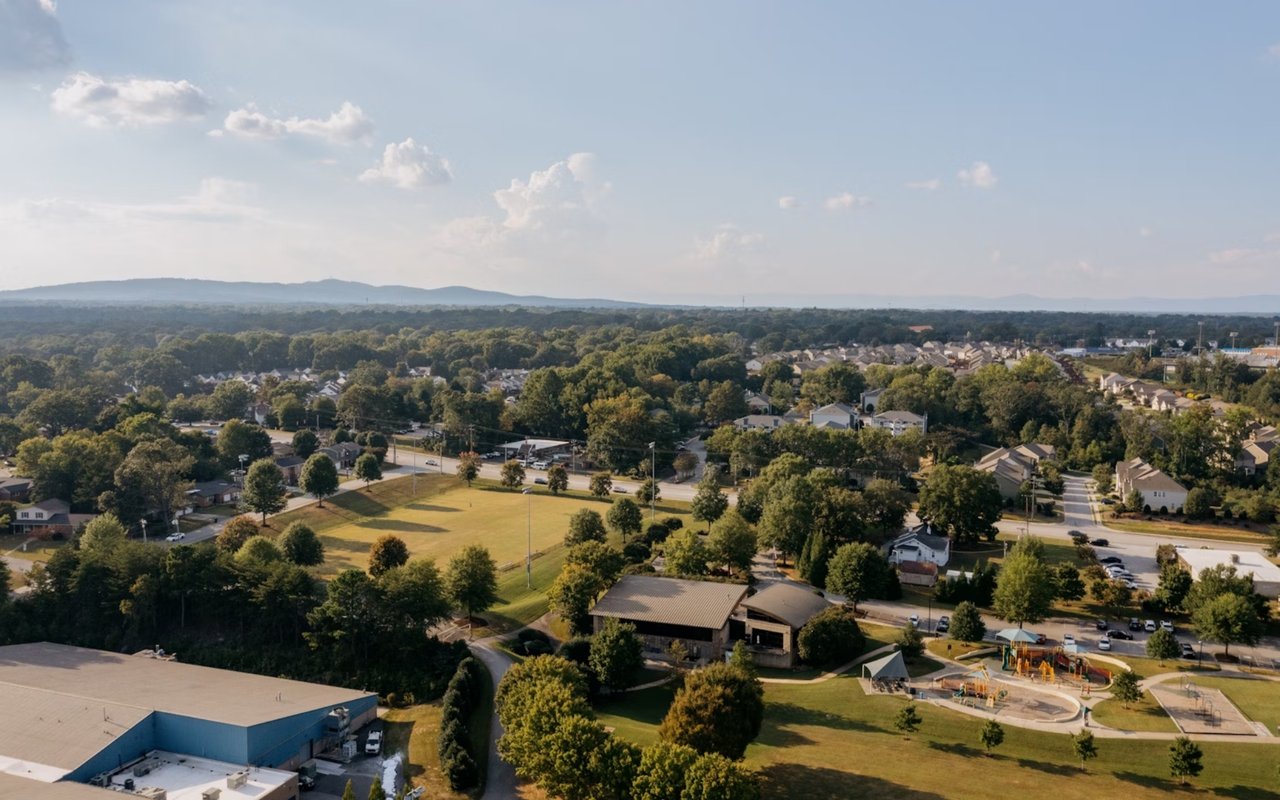
Investing in real estate in Chesterfield, Va., requires an understanding of local patterns, property choices, financing options, zoning regulations, market niches, and management practices. This overview outlines the most important aspects of real estate investment in the area and describes how each element can influence long-term performance and opportunity.
Local Market Dynamics and Trends
Successful investment often begins with observing how Chesterfield’s real estate market evolves. The county includes expanding suburban corridors, older neighborhoods, and large rural parcels. Demand frequently concentrates near transportation routes and commercial areas, while continued development gradually draws investors toward emerging zones.
Commercial activity along Hull Street Road and Iron Bridge Road continues to expand. These areas hold potential for mixed-use redevelopment or long-term land appreciation. County planning efforts frequently focus on economic diversification and infrastructure improvement, meaning new projects or rezoning initiatives can shift property values in nearby districts.
Commercial activity along Hull Street Road and Iron Bridge Road continues to expand. These areas hold potential for mixed-use redevelopment or long-term land appreciation. County planning efforts frequently focus on economic diversification and infrastructure improvement, meaning new projects or rezoning initiatives can shift property values in nearby districts.
Property Types for Investment Use
Investors in Chesterfield encounter multiple property categories: single-family homes, townhouses, condominiums, multifamily buildings, commercial sites, and undeveloped land. Each asset type involves distinct management responsibilities and risk profiles. Residential properties often appeal to tenants seeking long-term stability, while commercial and industrial holdings may generate higher yields but require more specialized oversight.
Land investments add another layer of flexibility. Parcels along busy roads or near retail centers sometimes contribute to future development or rezoning. Some investors prefer holding acreage for appreciation, while others explore subdivision or infill potential. Balancing active-use properties with land holdings can create a diversified approach to investing in real estate in Chesterfield, VA.
Land investments add another layer of flexibility. Parcels along busy roads or near retail centers sometimes contribute to future development or rezoning. Some investors prefer holding acreage for appreciation, while others explore subdivision or infill potential. Balancing active-use properties with land holdings can create a diversified approach to investing in real estate in Chesterfield, VA.
Legal Framework, Zoning, and Entitlements
Zoning and land-use regulations form the foundation of every real estate transaction in Chesterfield. Each parcel carries a classification that defines what can be built, how structures are placed, and the intensity of use allowed. Reviewing zoning designations, setback limits, and permitted density helps avoid conflicts with county requirements.
Additional protections may apply in areas near reservoirs or environmentally sensitive zones. For example, properties close to Swift Creek Reservoir are sometimes subject to watershed management policies that restrict certain development activities. Reviewing easements, utility rights, and floodplain boundaries can help clarify the full scope of ownership responsibilities before purchasing.
Additional protections may apply in areas near reservoirs or environmentally sensitive zones. For example, properties close to Swift Creek Reservoir are sometimes subject to watershed management policies that restrict certain development activities. Reviewing easements, utility rights, and floodplain boundaries can help clarify the full scope of ownership responsibilities before purchasing.
Financing Strategies and Leverage
Financing options range from traditional mortgages to construction loans and private lending. Each structure affects return profiles, risk exposure, and flexibility. Some investors favor conventional long-term debt, while others use shorter bridge or renovation loans to reposition properties more quickly.
Combining financing types or adjusting leverage ratios can help align an investment with its timeline and expected income stream. Building in reserves for vacancies or repairs creates added resilience. Evaluating these financial layers helps define a sustainable structure for investing in real estate in Chesterfield, VA.
Combining financing types or adjusting leverage ratios can help align an investment with its timeline and expected income stream. Building in reserves for vacancies or repairs creates added resilience. Evaluating these financial layers helps define a sustainable structure for investing in real estate in Chesterfield, VA.
Tenant Markets and Rental Demand
Rental patterns in Chesterfield reflect proximity to employment hubs, transportation corridors, and retail districts. Homes and apartments near key highways tend to draw tenants who prioritize accessibility. Outlying areas may attract renters interested in open space and larger properties.
Different unit sizes and amenities appeal to different tenant segments. Smaller homes and townhouses often see consistent occupancy, while larger or high-end units may fluctuate with market cycles. Commercial tenants typically seek visibility and reliable parking, so positioning properties near established retail corridors often increases leasing potential.
Different unit sizes and amenities appeal to different tenant segments. Smaller homes and townhouses often see consistent occupancy, while larger or high-end units may fluctuate with market cycles. Commercial tenants typically seek visibility and reliable parking, so positioning properties near established retail corridors often increases leasing potential.
Renovation, Value-Add, and Cost Control
Many investment opportunities in Chesterfield revolve around improving existing structures. Renovations that modernize kitchens, bathrooms, and energy systems can lift rental income or resale value. Commercial assets may benefit from new facades, interior layouts, or tenant-specific improvements that enhance usability.
Detailed planning tends to reduce uncertainty. Estimating timelines, obtaining multiple contractor bids, and setting clear scopes of work can prevent common budget overruns. Scheduling renovations to minimize vacancy periods helps preserve cash flow during the upgrade phase. In practice, steady execution and disciplined cost management often determine the profitability of a value-add project.
Detailed planning tends to reduce uncertainty. Estimating timelines, obtaining multiple contractor bids, and setting clear scopes of work can prevent common budget overruns. Scheduling renovations to minimize vacancy periods helps preserve cash flow during the upgrade phase. In practice, steady execution and disciplined cost management often determine the profitability of a value-add project.
Exit Strategies and Holding Periods
Determining a holding strategy early gives structure to the investment plan. Some investors prefer to maintain ownership for long-term appreciation and income, while others focus on short-term resales after improvements. Depending on zoning and market readiness, land can be held for gradual value growth or developed in stages.
Each approach brings different financial and operational priorities. Long-term holders typically focus on consistent maintenance and stable tenants, whereas shorter timelines rely on quick turnover and precise timing. Aligning the investment horizon with local market cycles allows flexibility and informed decision-making.
Each approach brings different financial and operational priorities. Long-term holders typically focus on consistent maintenance and stable tenants, whereas shorter timelines rely on quick turnover and precise timing. Aligning the investment horizon with local market cycles allows flexibility and informed decision-making.
Risk Assessment and Market Sensitivity
Every real estate market carries exposure to shifts in demand, financing conditions, and local regulation. Evaluating these risks through scenario planning or sensitivity analysis can clarify potential outcomes. Adjusting projections to reflect slower lease-ups, higher repair costs, or changing interest rates can provide a more accurate forecast.
Building financial buffers and setting realistic assumptions helps protect returns during uncertain periods. Continual monitoring of county development initiatives and infrastructure investments also assists in anticipating neighborhood changes that might influence property value.
Building financial buffers and setting realistic assumptions helps protect returns during uncertain periods. Continual monitoring of county development initiatives and infrastructure investments also assists in anticipating neighborhood changes that might influence property value.
Ready to Explore Chesterfield’s Real Estate Opportunities?
Connect with Bradley Real Estate to navigate the Chesterfield market with confidence. Their team’s local expertise and professional insight help investors and homebuyers identify properties that align with their goals — whether purchasing income-producing homes, land parcels, or commercial assets.
Interested in Chesterfield real estate? Contact us today and we’ll be happy to help you find your dream Virginia home!
Interested in Chesterfield real estate? Contact us today and we’ll be happy to help you find your dream Virginia home!